

Useful context
Capture the issue and the steps already completed, so customers and support teams can move the conversation forward

Connect service knowledge, fault triage and customer requests, with clear handovers and human review
Capture the issue and the steps already completed, so customers and support teams can move the conversation forward
Help operators find approved service information and the current procedure for the request in front of them
Give the next team a clear picture of what is known, what has been tried and what still needs attention
Collect symptoms, surface approved troubleshooting steps and prepare a structured case for the operator or specialist
Gather the information behind a routine change, with identity checks and authorisation kept in your existing process
Explain verified invoice details and organise dispute information for the billing team to assess and resolve
Prepare customer communications from verified incident information, with wording and timing approved by the owner

Explore service and support use cases around approved knowledge and a named process owner. Capture requests, assess readiness and test a focused pilot before extending the workflow across teams
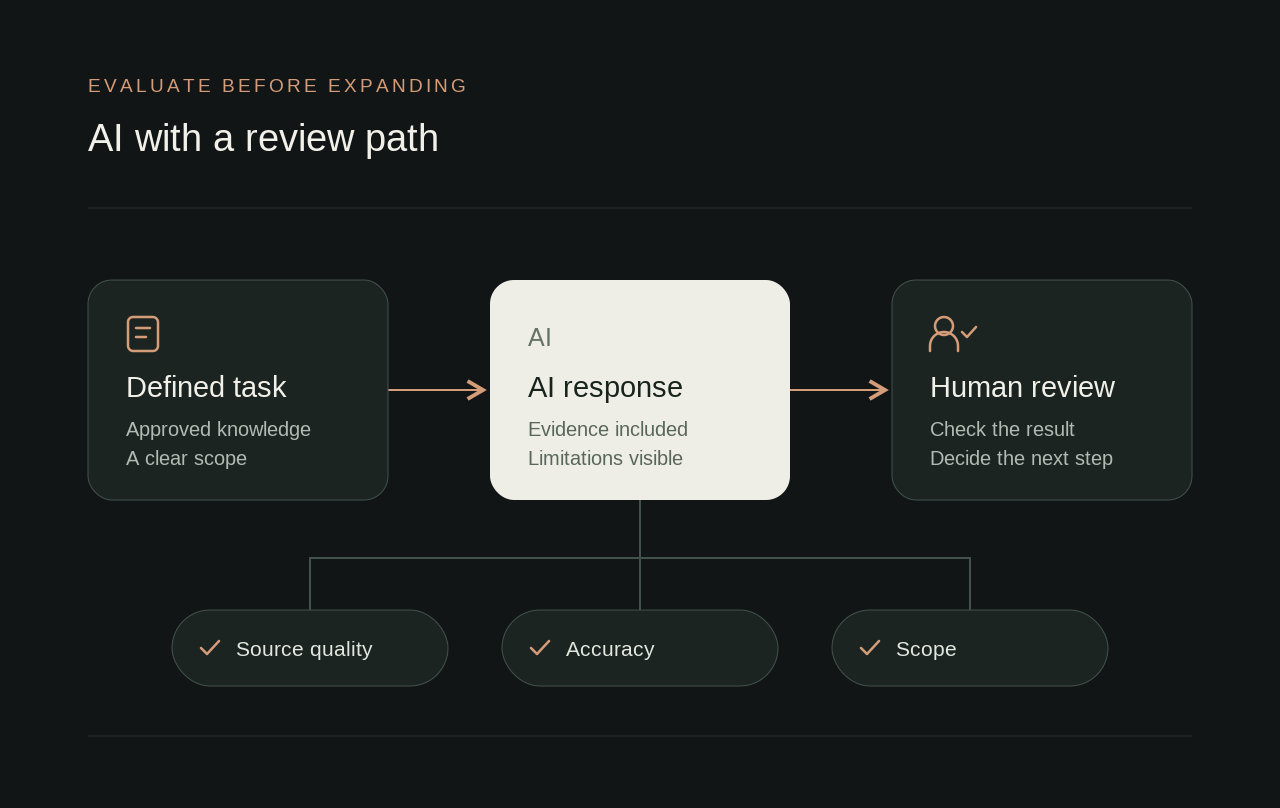
Apply models to a defined support task, evaluate the output and retain the source information that operators need to check a recommendation
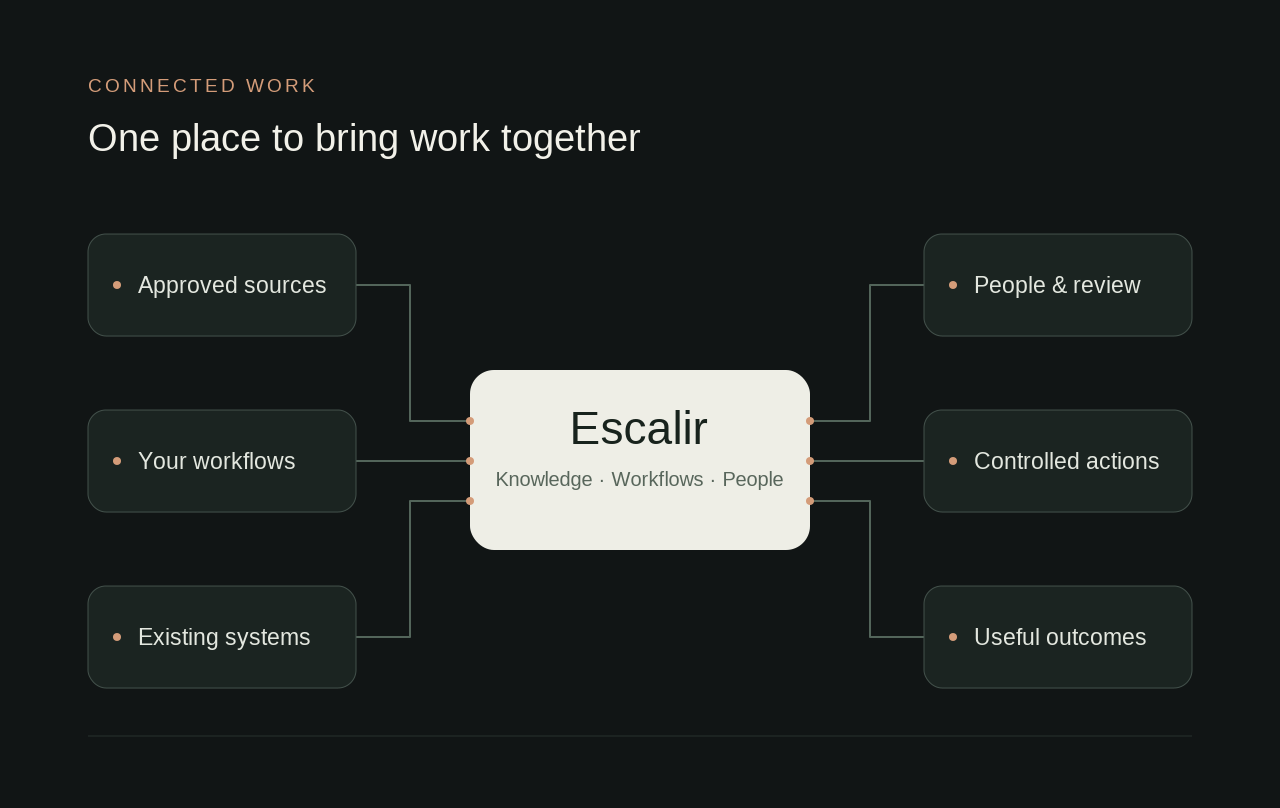
Connect the knowledge behind customer care, field work, network issues and billing. Plan each system connection around an agreed operational scope
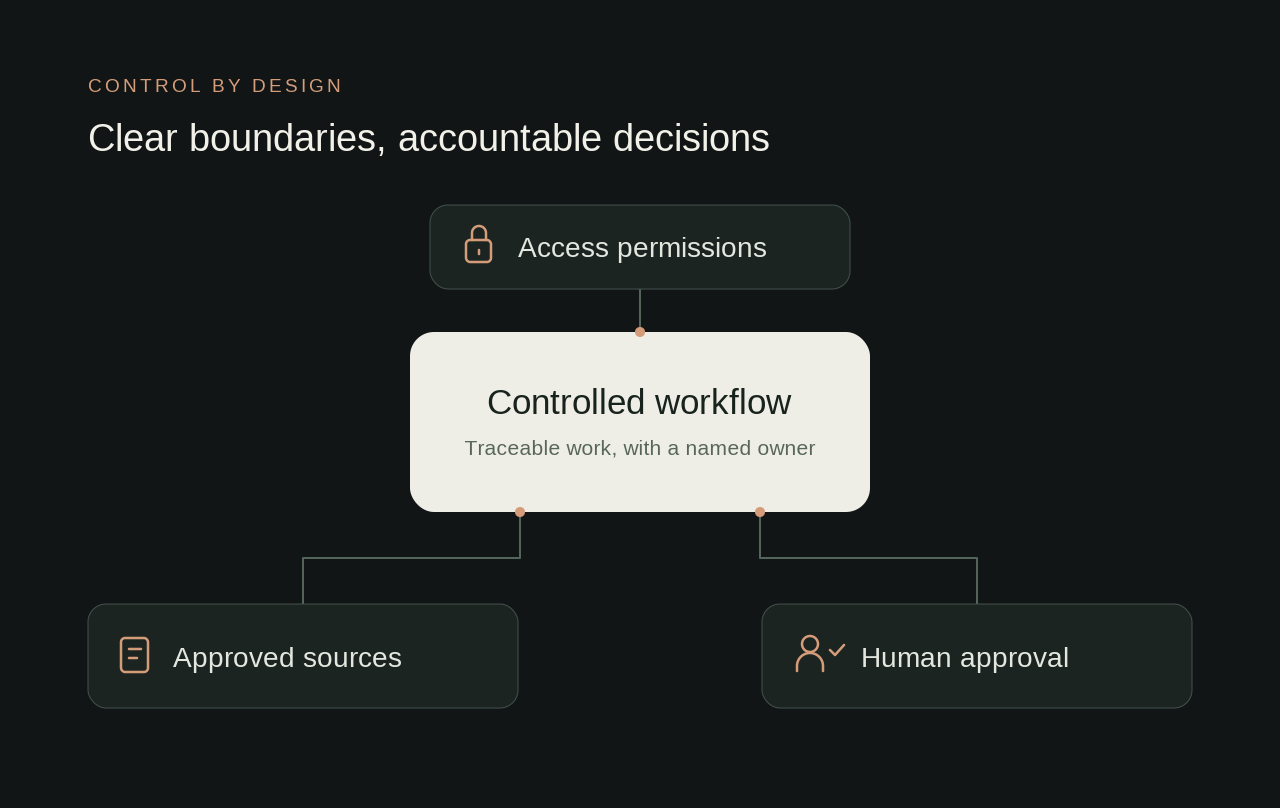
Use verified service information, define who can approve changes and make escalation paths explicit when a request needs specialist attention
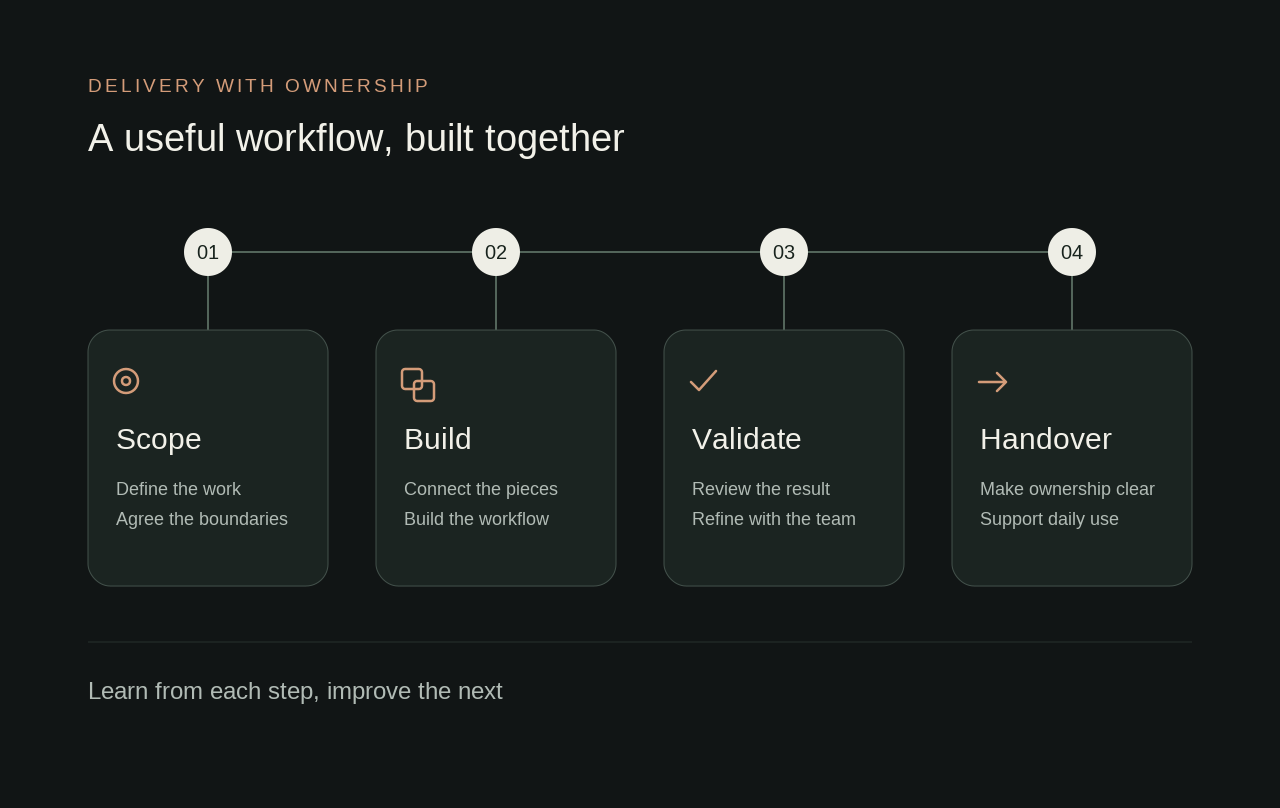
Audit the service process, test representative questions and agree success criteria with your operators. Build together, then use quality metrics and feedback to guide the next phase